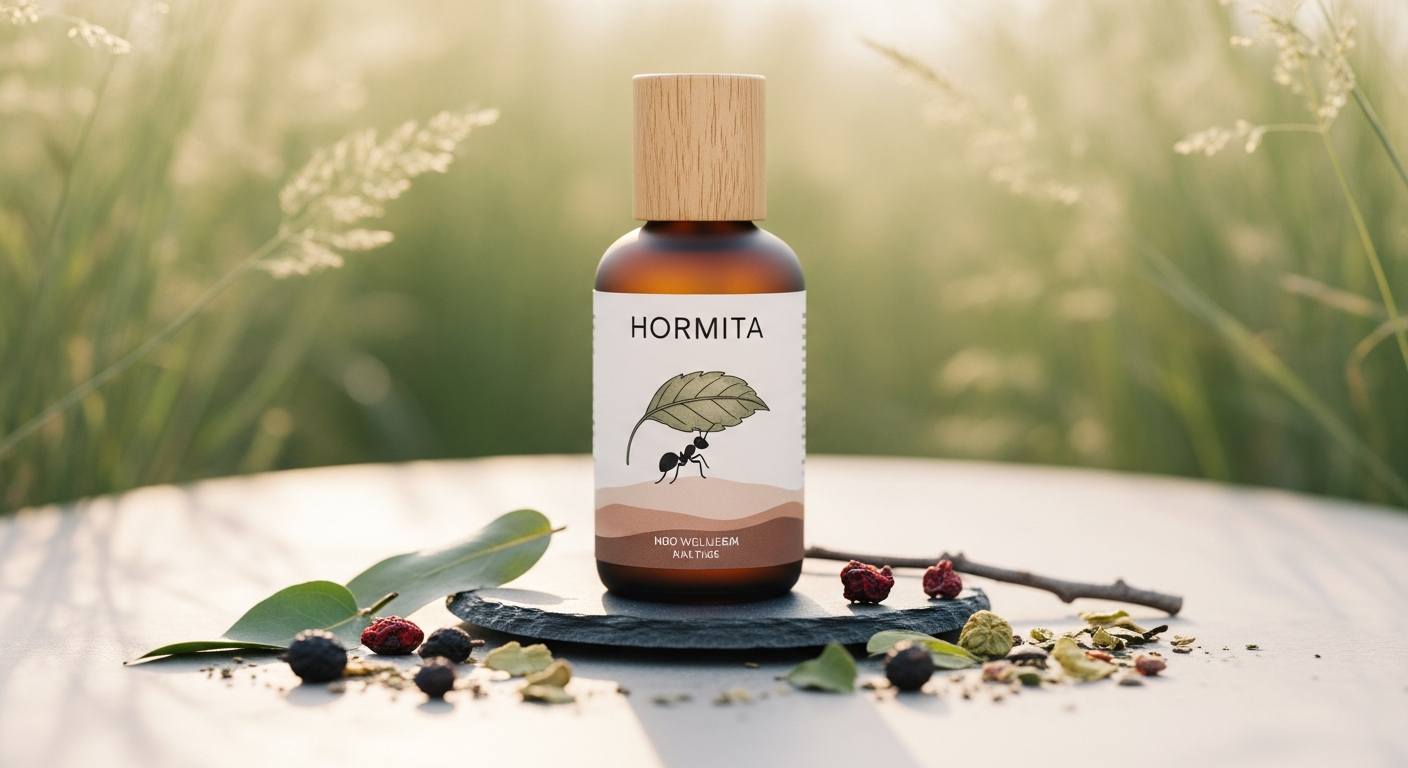
Hormita isn’t a single herb or medicine, but a holistic wellness approach focused on balancing your hormones and boosting natural energy. In practice, Hormita usually refers to a mix of adaptogenic herbs, vitamins, and minerals designed to help your body “go back to a steady balance”. Think of it as an herbal support system for your body’s stress-response and hormonal system. These adaptogenic ingredients (like ashwagandha, rhodiola, maca, etc.) help your body cope with stress and restore balance to systems like your adrenal or thyroid axes. In other words, Hormita-based supplements aim to gently normalize stress hormones. For example, Cleveland Clinic explains that adaptogens can adjust cortisol levels – lowering them if they’re too high (when you’re overstressed) or raising them if they’re too low (when you feel fatigued). This balancing act on a hormonal level is exactly what Hormita is meant to do.
In simple terms, Hormita products mix supportive nutrients and herbs to help your body feel more balanced and energized. They often include adaptogen blends plus B‑vitamins, zinc, and antioxidants that support metabolism and stress response. For instance, the herb ashwagandha (a common Hormita ingredient) is noted to have positive effects on the endocrine and nervous systems – it can “regulate your metabolism and help you relax by calming how your brain responds to stress”. Another popular herb, rhodiola, is widely promoted for improving energy, mood, and stress resilience. These kinds of ingredients work together so that taking a Hormita supplement or tea may help your body cope with daily stressors and keep hormones more balanced.
Benefits of Hormita
Because Hormita is based on adaptogens and nutrients, its potential benefits are similar to what adaptogenic blends promise. Anecdotally and in some studies, adaptogens have been associated with:
More Energy, Less Fatigue. By supporting adrenal health and reducing chronic stress, adaptogens can help fight constant tiredness. Cleveland Clinic notes people use adaptogens to “reduce fatigue and/or increase energy”. Rhodiola, for example, is traditionally used to boost stamina and mental performance during stress.
Improved Mood and Stress Resilience. Hormita’s herbs (like ashwagandha and rhodiola) help blunt the stress response. Many users report calmer mood and less anxiety. In fact, ashwagandha is clinically shown to lower stress and anxiety and even reduce the stress hormone cortisol. Adaptogens work by helping you “cope with stress” so you feel more even-keeled.
Balanced Hormones. By modulating stress hormones and supporting glandular function, Hormita may help correct mild hormonal imbalances. (For example, if stress hormones are chronically high, adaptogens can bring them down, which in turn can improve energy, sleep, and mood.) Users often take Hormita hoping for more regular cycles or easier menopause symptoms, though solid evidence is limited.
Immune Support. Some ingredients in Hormita blends (like ginseng, rhodiola, and certain vitamins) have immune-boosting antioxidants. Cleveland Clinic notes one reason people take adaptogens is to “boost your immune system”. While Hormita isn’t a substitute for a healthy diet, the antioxidants from its herbs may help neutralize free radicals and support overall immune health.
General Wellness. Many Hormita proponents claim benefits for digestion, skin, and vitality, largely due to improved nutrition and stress reduction. For example, a daily herbal tea or supplement routine with Hormita-like ingredients may promote smoother digestion and clearer skin simply by reducing cortisol and inflammation.
It’s important to say that scientific research on Hormita itself is sparse, since it’s a marketing term rather than a standardized medicine. Some studies of its components (ashwagandha, rhodiola, maca, etc.) suggest the above benefits, but overall the evidence is still emerging. In fact, the U.S. National Institutes of Health notes that while adaptogens are widely used, “there isn’t enough reliable evidence to determine whether [rhodiola or other adaptogens] are useful for any health-related purpose.” So, while many people report feeling better using Hormita-style supplements, keep in mind that rigorous clinical proof is limited. Use it as a wellness aid, not a guaranteed cure.

How to Use Hormita
Hormita comes in various forms – teas, powders, capsules, or tinctures – much like other herbal supplements. You might see “Hormita” sold as a branded powder to mix in smoothies or tea, or as an encapsulated supplement blend. Here are some general tips:
Forms: Commonly you’ll find Hormita as a powder or tea, which can be stirred into hot water or drinks, or as capsules/tablets if you prefer. Adaptogens can also come in tinctures (liquid drops) or creams (for skincare).
Dosage: Always follow the package instructions. Most adaptogen supplements recommend somewhere around a few hundred milligrams to a gram per day of the blend. Because formulas vary widely, don’t self-dose – read the label and, if in doubt, start at the low end of the recommended range.
Timing: Some adaptogens give a gentle energy boost, so they are often taken in the morning or daytime. (For example, rhodiola may be energizing, whereas some ashwagandha products are marketed to help relaxation at night.) As Cleveland Clinic advises, be mindful of an adaptogen’s effect: if it makes you alert, don’t take it right before bedtime.
Duration: Experts suggest cycling adaptogens rather than taking them nonstop. In fact, studies have shown adaptogens work best for short durations (typically under 6 months), because your body can adapt to them if used continuously. A common approach is to use a Hormita supplement for a few months, then take a break, or to use it only during particularly stressful periods.
Lifestyle: Remember, adaptogens are not magic. For best effect, combine Hormita with a balanced diet, regular exercise, good sleep, and stress-management practices (like meditation or yoga). This holistic approach truly helps balance your hormones and energy in a lasting way.
Possible Side Effects and Safety
Most people tolerate Hormita-style supplements well, especially in recommended amounts. Adaptogenic herbs are generally considered safe and non-toxic when used properly. However, mild side effects can occur, especially when you first start using them. Reported side effects include:
Digestive upset. Some users experience stomach discomfort, bloating, nausea, or diarrhea when first trying adaptogenic herbs. This usually passes after your body adjusts. Starting with a small dose and taking the supplement with food can help.
Headache or sleep changes. A few people report headaches or trouble sleeping (especially if taken too late in the day). This varies by herb – for instance, rhodiola can cause insomnia in sensitive individuals, while ashwagandha can cause drowsiness in others.
Allergic reactions. Rarely, people might be allergic to a specific herb (e.g. a rash from one component). If you notice any hives or breathing trouble, stop and seek medical advice immediately.
Other mild effects. According to the NIH, ashwagandha can cause mild side effects like loose stools, nausea or drowsiness. More serious problems (like liver issues) are very rare but have been reported with high doses or impurities in supplements.
Interactions. Because adaptogens can influence hormones and metabolism, they may interact with medications. Cleveland Clinic notes potential interactions include changes in blood pressure, blood sugar, and thyroid levels. For example, some adaptogens can increase blood pressure or affect diabetes medications. Always check with a doctor if you take prescription drugs (especially for blood pressure, thyroid, diabetes, or mental health).
Precautions: If you are pregnant, nursing, or have a medical condition (like high blood pressure or autoimmune disease), talk to your healthcare provider before trying Hormita. The safety of many herbs in pregnancy isn’t well-studied, so it’s best to be cautious. Start with a low dose to see how you react, and choose high-quality, reputable products. Because supplements are not FDA-regulated, their purity and concentration can vary. Look for third-party tested brands and read labels for any additional ingredients.
Is Hormita Right for You?
In summary, Hormita represents a natural, plant-based approach to supporting your body’s hormonal balance and energy levels. The idea is that by combining adaptogenic herbs, vitamins, and minerals, you can gently nudge your hormones back toward healthy levels, improving mood, reducing fatigue, and boosting vitality.
It’s a generally safe option for most adults, especially if used responsibly (with attention to dosage and any medication interactions). However, it’s not a medical treatment, and evidence of its benefits is still preliminary. The best way to know if it works for you is to try it for a few weeks while keeping track of any changes in how you feel – and always alongside good lifestyle habits.
As always, maintain realistic expectations. Supplements like Hormita can complement a healthy lifestyle but shouldn’t replace doctor-recommended treatments. By staying informed and using quality products properly, you can potentially enjoy the soothing, balancing effects of Hormita with minimal risks. Remember: your body’s balance is built over time with good diet, sleep, exercise, and stress management – Hormita can be one friendly assistant on that journey, backed by the general science of adaptogens.