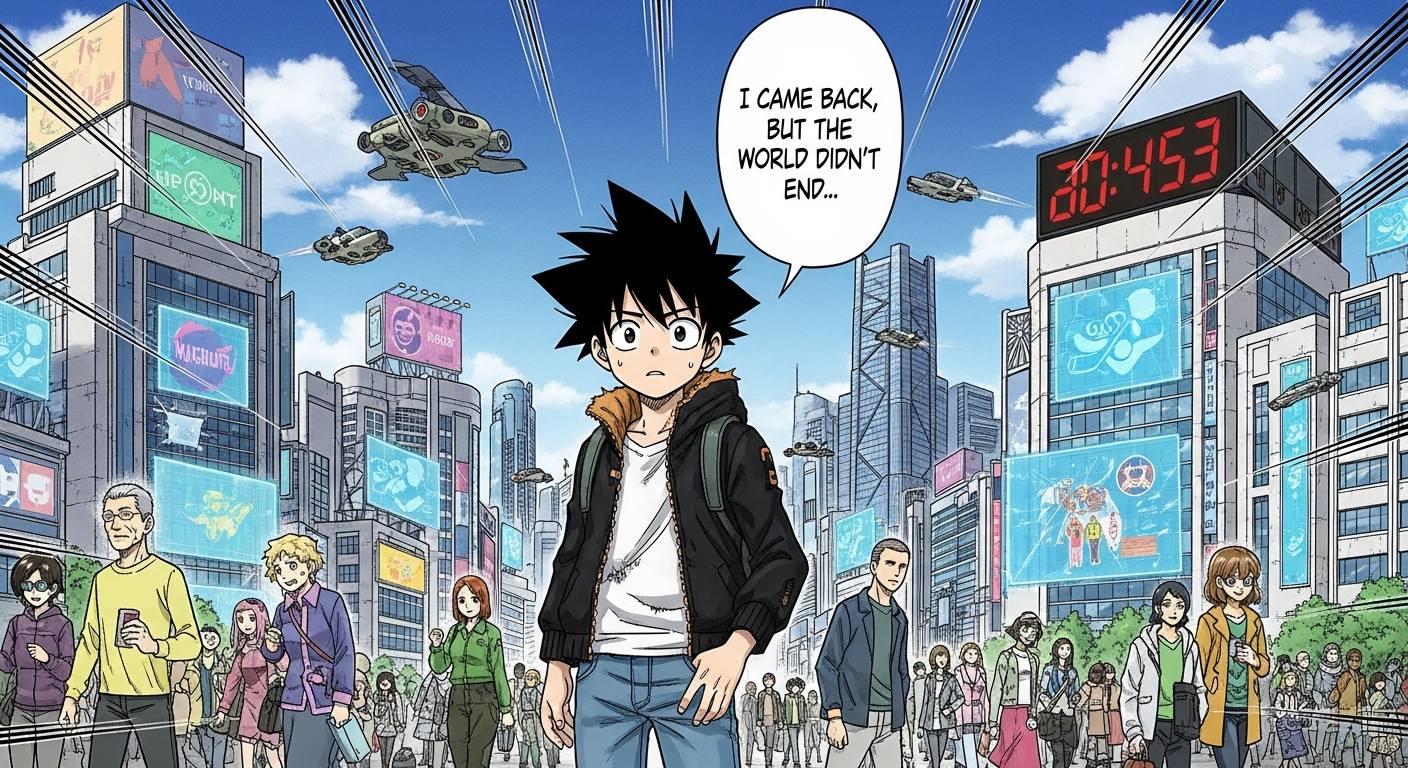
Have you ever worried something bad was going to happen, only to find life went on just fine? The phrase “I came back, but the world didn’t end” is a figurative way of saying “whatever I feared didn’t destroy everything.” In other words, things usually aren’t as catastrophic as they seem. It’s basically the same idea as the saying “it’s not the end of the world.” As one language expert notes, telling yourself “the world won’t end” is a reminder that any setback “is not as important as it may seem at first” – life does keep moving forward. In fact, this phrase even shows up in popular fiction: in the webcomic Regressed, but the World Didn’t End, the hero travels back in time to stop an apocalypse, only to discover the invasion never comes. The title itself highlights the idea – even after a big change (coming back), reality stayed surprisingly normal.
Imagine a sunrise after a long night. Every morning the sun comes up no matter what happened yesterday. The dawn reminds us that life resets and carries on. In the same way, “the world didn’t end” is like waking up to a new day after dark thoughts. Maybe you worried that failing a test would ruin your life, or leaving for a vacation would lead to disaster — but when you return, everything feels mostly the same. That feeling of relief is exactly what this phrase captures. It’s a way to comfort ourselves: whatever scary scenario we imagined, things turned out okay. In plain terms, it means you faced your fear and learned that life goes on.
When we say “the world didn’t end,” we’re fighting a common habit of the mind called catastrophizing. That’s when we expect the worst possible outcome and imagine our problems spiraling out of control. For example, thinking “If I miss this flight, I’ll never get to my destination and everything will fall apart.” Experts explain that catastrophizing is a cognitive distortion where we “believe the worst possible outcome will occur as a result of some action or event, even if it’s very unlikely”. Essentially, we convince ourselves a mistake or change will be far worse than reality. But in most cases, that imagined disaster never happens – the world (and your life) continue just fine.
Why We Worry – and How to Stop
Feeling anxious about failure or change is normal. We live in a complex world, and our brains evolved to keep us safe by imagining dangers. Sometimes this goes overboard, making us think “if I don’t do X, everything will collapse.” However, constantly expecting ruin can make us freeze or avoid taking chances. Here’s the good news: reminding yourself “life goes on” can break that cycle. It helps to remember that people handle setbacks all the time. Resilient people, for instance, realize that even when things go badly, “life goes on and things will get better”. In other words, the sun eventually rises on every problem.
To shift out of catastrophic thinking, try these steps:
Name the fear. Acknowledge the thought: “I’m thinking worst-case.” Just labeling it can weaken its power.
Check the facts. Ask yourself, “Is it really that bad?” Write down the actual consequences of a scenario. Often you’ll see the situation isn’t as dire as it felt.
Recall past wins. Think of a time you feared something and it turned out okay. Each time you “came back” from a worry, the world kept turning. Remind yourself “This actually happened before and I survived it.”
Focus on what you can control. Instead of spiraling into “what ifs,” decide on one small action to take. Taking a step (even a tiny one) builds confidence and gets you moving forward.
Practice self-care. Anxiety is less powerful when you’re well-rested and healthy. Simple things like deep breathing, a walk, or talking with a friend can calm the mind.
The Cleveland Clinic advises grounding yourself in reality to defuse the worst-case “rabbit hole”. In short: when anxiety tells you “the world is ending,” challenge it with evidence and perspective. Remind yourself that resilient people “don’t build their lives with dominoes” – one setback doesn’t knock everything down.
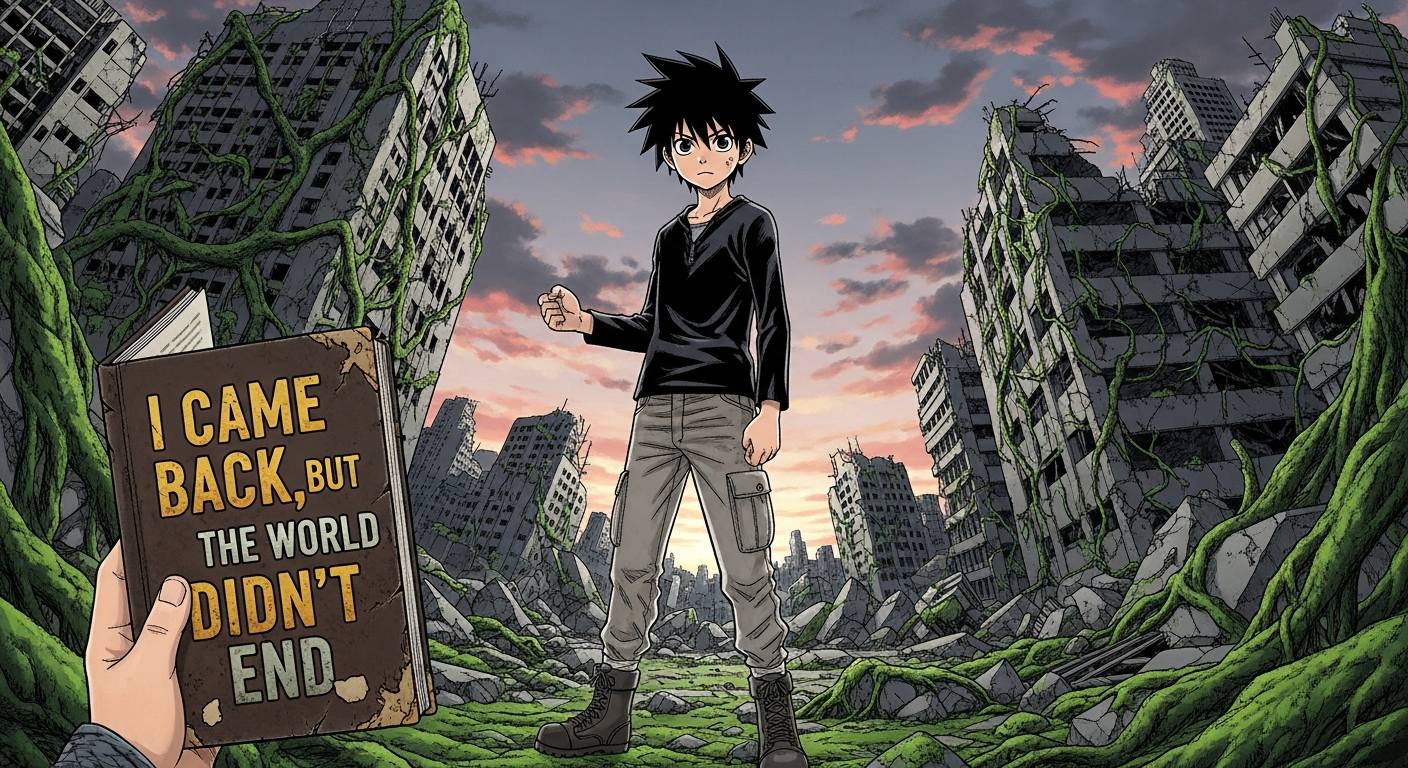
Resilience: Moving Forward When Fear Fades
If “I came back, but the world didn’t end” is a lesson, it’s this: life is surprisingly sturdy, and so are you. Every day that you wake up, you get another chance to try again. Setbacks can actually make you stronger, giving you lessons and humility. As the Rough Notes company observes, resilience lets you get “knocked down and come back stronger than before,” learning from obstacles rather than letting them destroy you.
Think of resilience like this: it’s walking along a forest path. The trail might have ups and downs, shadows and sunny spots, but each step forward gets you closer to the light.
No matter how dark or scary things seem now, keep moving forward. Even if you slow down or pause, the path is still there, and sunlight will filter through as you go. You won’t actually trip all the dominoes of your life. Instead, you’ll continue on to new challenges and chances. Many people (from students to workers to parents) find that after making a mistake or facing a failure, they bounce back. Perhaps you didn’t get the job or grade you wanted — life didn’t crash and burn. Maybe you left a stressful situation only to find fresh opportunities. Each time you pause and say “I came back, and the world didn’t end,” you’re recognizing your own strength and the truth that things really do keep going.
Remember past examples. Every successful person has a story of failing or starting over. They didn’t see the world end; they eventually moved on.
Look for lessons. Instead of focusing on what went wrong, ask “What can I learn here?” This turns fear into fuel for growth.
Lean on others. Friends, family, or mentors often help put things in perspective. They can remind you that what feels like a crisis now will look smaller later.
Your Next Step
The next time you catch yourself thinking “If I don’t [fill in the blank], the world will end,” pause and breathe. Ask: “Is this really the end? Or will I be okay?” Chances are, when you come back, you’ll find the sun rising and ordinary life going on around you.
So embrace the truth behind the phrase: life goes on, even after change or failure. The world you come back to is still there — with new chances, new lessons, and new hope. Every day is a fresh chance to start over. You can take a deep breath, smile, and move forward knowing that the world didn’t end — and neither will you.