
Enhanced Operational Performance Indicators (EO PIS) are metrics that give organizations a deeper, more complete view of how their operations are running. In other words, EO PIS go beyond simple tallying of numbers. They combine different kinds of data – like production stats, quality measures, even environmental or customer feedback – to show the big picture of performance. As one expert puts it, “Enriched KPI metrics are enhanced performance indicators that integrate a broad range of internal and external data sources, offering a more comprehensive view of business performance”.
In fact, management gurus have long warned that “what you measure is what you get” – relying only on narrow financial KPIs can be misleading. EO PIS are the solution: they are built to provide real-time, actionable insights (like having a multi-gauge dashboard) so companies can steer their ship, not just report where it’s been.
EO PIS vs Traditional KPIs
To see the difference, remember that a KPI (Key Performance Indicator) is typically a single, quantifiable target (for example, monthly sales or on-time delivery rate) that management uses to gauge success. KPIs are important, but they often look at one thing in isolation. In contrast, EO PIS bundle many metrics and context clues together. For example, one guide compares operational indicators to an airplane’s instrument panel: you wouldn’t fly by just looking out the window; you need gauges for speed, fuel, altitude, etc. Operational performance indicators (OPIs) are that dashboard for your business, giving a “moment-to-moment view” of critical functions.
EO PIS take this further by adding extra gauges – perhaps sensor data from machines, customer satisfaction scores, or workflow bottlenecks – so you see the broader context. In short, an EO PI might tell you not just how many widgets were made (a KPI) but also whether there were delays, defects, or energy spikes along the way. Unlike standard KPIs that focus only on numbers, EO PIS “focus on the broader context of operations rather than just numerical data”. They essentially “go beyond standard performance measures” to give a more holistic view of operations.
Why EO PIS Matter
Using EO PIS has big advantages. First, they capture more information at once. By blending data from across the company (or even from outside), they show hidden issues that a single KPI might miss. For instance, you might see that production is on track but quality is slipping, or that costs are fine but customer wait times are growing. Second, EO PIS are often real-time or up-to-date, which means managers can spot problems and react quickly. As one analyst notes, these metrics let organizations “adapt quickly to changing environments” while keeping everyone aligned with strategy.
These indicators also break down silos. Because they mix inputs from different departments (finance, operations, HR, etc.), teams work with the same data. This shared “instrument panel” encourages collaboration: everyone can see the same comprehensive dashboard rather than arguing over one narrow report. Third, EO PIS drive smarter decisions. Instead of waiting for end-of-month reports, leaders get immediate, data-rich feedback. For example, Lumify360 explains that by enriching KPIs with market trends or customer data, companies can move from just tracking the past to actually predicting future trends. In practice, this means a business doesn’t just see yesterday’s sales numbers; it can anticipate a drop in demand and act ahead of time.
Key Benefits of EO PIS:
Deeper insights: Combine multiple data sources for a fuller picture of performance.
Real-time monitoring: Dashboards show a “moment-to-moment” view of operations.
Holistic view: Track outcomes, quality, and efficiency together, not in isolation. This helps uncover hidden problems early (for example, catching a quality dip while production is high).
Cross-functional alignment: Everyone sees the same unified metrics, which aligns goals across teams.
Predictive power: Advanced EO PIS can feed into analytics, helping forecast issues (e.g. anticipating a supply shortage before it happens). As one report notes, enhanced indicators allow businesses to “predict what will happen in the future” instead of only looking at past data.
By offering these advantages, EO PIS help companies stay agile and avoid the pitfalls of narrow scorecards. Many industries are already adopting them for this reason: they “facilitate better decision-making, improve operational efficiency, and ultimately lead to greater resilience against market fluctuations”. In short, EO PIS help turn data into action.
Key Features of EO PIS
What makes an EO PI system different? In practice, an effective EO PIS setup usually includes:
Data integration: It pulls together information from machines, sales, finance, HR, and even external sources (like weather or market data). This “enriched” mix of data sources is what gives EO PIS their power.
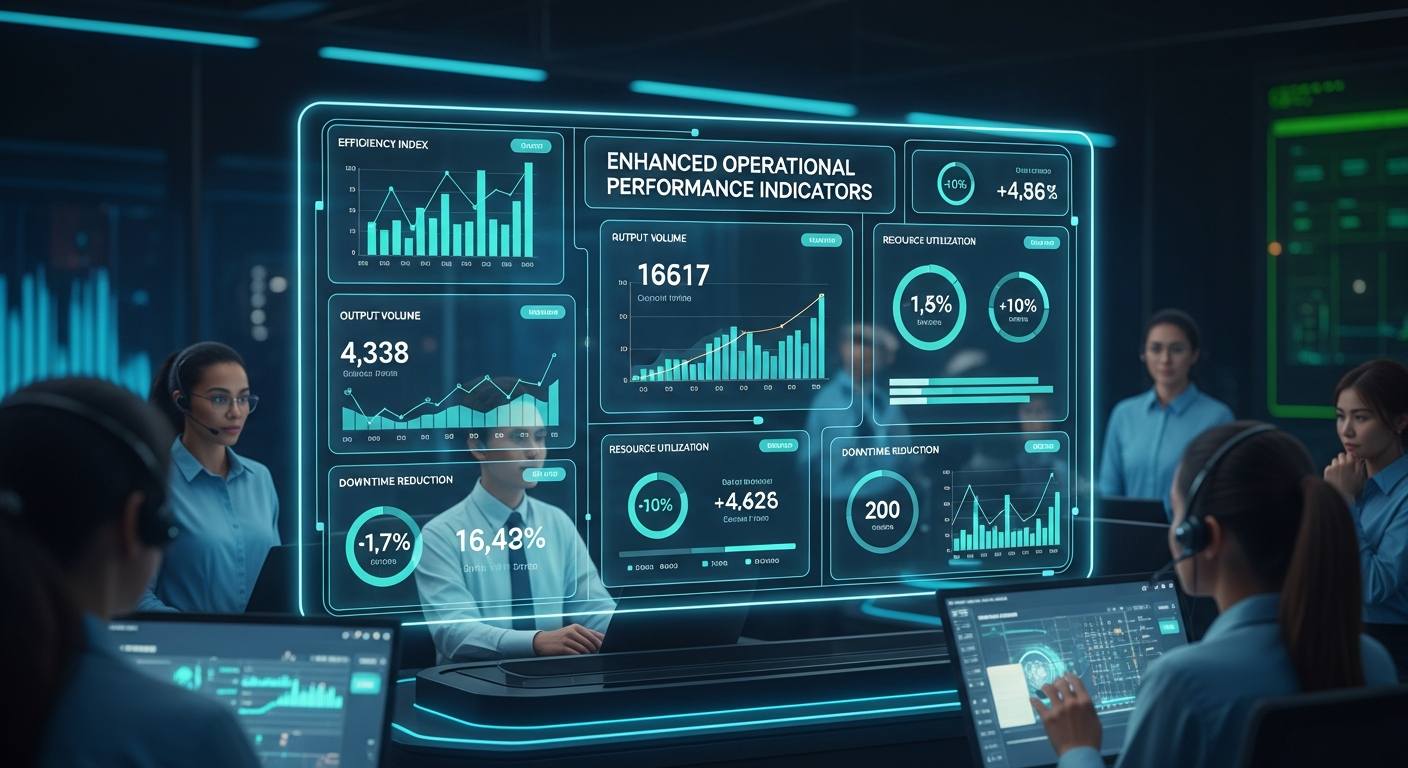
Real-time dashboards: Visual reports and gauges update continuously, so managers see the latest results at a glance. As one source explains, EO PIS work like an instrument panel, giving a “moment-to-moment view” of operations.
Outcome focus: Instead of just counting activities (e.g. number of widgets produced), EO PIS emphasize results and trends. For example, they might measure overall workflow efficiency or sustainable output, not just raw output. This helps businesses respond to modern challenges dynamically.
Flexibility: Companies can include qualitative or soft metrics too – like customer satisfaction, employee engagement, or sustainability factors (energy use, emissions, etc.). For instance, some organizations include environmental impact measures as part of their EO PIS to balance profit and responsibility.
Strategy alignment: Every EO PI ties back to a strategic goal. By clearly linking each metric to an objective, the whole team knows why they’re tracking it.
Together, these features ensure EO PIS are more than just another report – they become a comprehensive, living picture of business health.
How to Implement EO PIS
Introducing EO PIS into a company requires planning and teamwork. Here are some practical steps:
Define goals and metrics. Start by deciding what matters most for your operations. What outcomes are you trying to improve (speed, quality, sustainability, etc.)? Then choose indicators that reflect those goals across departments.
Integrate data sources. Connect your systems (ERP, CRM, machines, sensors) into a unified platform. The more data you can aggregate (from finance, sales, production, even third-party feeds), the richer your EO PIS will be. As one tech guide advises, ensure your EO PIS “integrate with your ERP, accounting, and operational software” so everything feeds into one place.
Use the right tools. Implement software or analytics platforms that can process real-time data and generate dashboards. Modern business intelligence tools can automate calculations and highlight anomalies, reducing manual work.
Train your team. Everyone who views or uses the metrics should understand them. Provide training on how to read the dashboards and what actions to take. Experts stress that “employees need training to navigate dashboards and interpret reports”. This ensures the team trusts the indicators and acts on them correctly.
Review and refine. Once live, regularly check if the chosen EO PIS are giving useful insights. Are some metrics redundant or outdated? Adjust them as needed. Glowyp’s analysis notes that organizations should “conduct regular reviews” and refine their framework over time.
Following these steps – define needs, integrate systems, train people, and continuously improve – helps make EO PIS effective. In fact, one source lists these very practices (assessing needs, integrating systems, standardizing data, training, and auditing) as best practices for successful EO PIS deployment.
Challenges and Best Practices
No system is without hurdles. A few common challenges include:
Data integration issues: Pulling data from different departments or machines can be technically tough. Inconsistent data formats and missing information often crop up.
Change management: Some staff might resist new metrics or feel overwhelmed by data. Without buy-in, dashboards can go unused.
Analysis overload: Too many metrics can drown a team in information. It’s important to focus on the indicators that truly align with goals.
The good news is these issues can be addressed with care. To tackle integration problems, start with a few critical data sources and expand gradually. Ensure there are clear data standards. To get people on board, involve them early: explain why each EO PI matters for their work. Training and clear documentation are key. Glowyp’s deep dive on EO PIS points out that transparent communication and user training are essential for usability. Finally, avoid data overload by keeping the dashboard clean – only the most actionable metrics should be front-and-center, while others can be archived. Regularly auditing the results for accuracy and relevance is also advised.
By applying these best practices, many companies find EO PIS become invaluable. They may start as a fancy new report, but over time they evolve into a performance culture: one where every team makes data-driven decisions with confidence.
Conclusion
Enhanced Operational Performance Indicators (EO PIS) represent a smart evolution of business metrics. By integrating diverse data and focusing on outcomes, they give leaders a 360° view of operations in real time. This holistic approach helps teams catch problems early, align efforts with strategy, and even predict future trends. As Lumify360 summarizes, enriched metrics like EO PIS let companies “move from merely tracking what happened in the past to predicting what will happen in the future”. In a fast-changing world, that forward-looking insight can be the difference between thriving and falling behind. In short, EO PIS are like upgrading from a simple speedometer to a full, smart dashboard for your business – helping you steer with confidence using every available gauge.