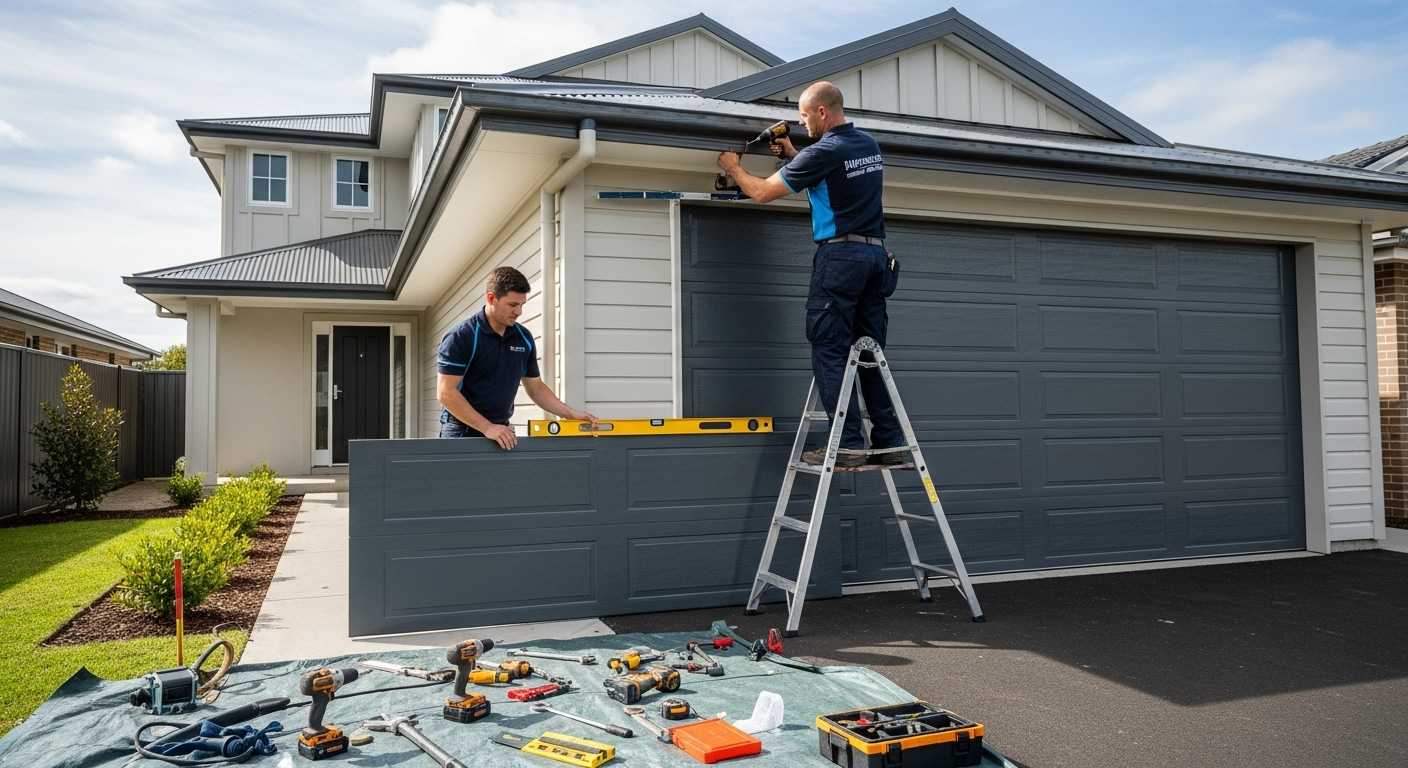
No – smart garage door openers aren’t secretly listening to your conversations or continuously recording video of you. Whether you’ve recently completed a Garage Door Installation or are upgrading your existing setup, these systems do collect and send certain data (like open/close events and usage logs) to work properly. Essentially, they “phone home” to let you control and monitor your door remotely. While this data collection is meant to make your life easier (you get alerts if the door opens or is left ajar), it does raise some privacy questions. In practice, the main concerns are about how much user data manufacturers gather and how secure your system is from hackers – not that the door is actively spying on you.
What Data Do Smart Garage Systems Collect?
Smart garage openers use sensors and Wi-Fi to track when and how your door is used. For example, they record each time your door opens or closes, and may log who opened it (if you share access codes or guest keys). This lets you see a history of activity in an app. Some systems also monitor door conditions (like vibration, travel time, or temperature) for diagnostics.
These systems typically send that data to the manufacturer’s cloud servers. In other words, your smartphone app or hub downloads door activity from the internet, and commands you send (like “close the door”) go up to the server first. This enables features like real-time alerts (“Your garage door just opened!”) and voice control. It also means the company behind the app knows when your door was used. As one industry source notes, a key privacy concern is “the collection and sharing of data by smart garage door systems” – if the provider isn’t careful, that data could be misused.
Privacy and Data Use Concerns
Most smart door apps promise they only use data to improve your experience. In practice, many smart devices share data with third parties for analytics or advertising. Studies have found that “a significant number of smart devices share user data with third-party entities… often unbeknownst to users”. In other words, companies may collect your usage patterns and pass them along to advertisers or partners. For example, you might notice ads in the app itself (some garage-door apps now display ads).
Australian privacy law requires companies to be transparent about data collection, but the fine print can be hard to understand. In general, assume that any device connected to the internet is gathering some information about you. The good news is you can often opt out of marketing if you read the privacy policy or settings. The important point is: smart garage systems are not “spying” in a cinematic sense, but they do record and send data by design. Always review your garage opener’s privacy policy to see exactly what data it collects and how it’s used.
Cameras and Audio: Optional Security Features
Some high-end smart garage systems include built-in cameras or work with smart cameras. These let you see your garage in real time, and even offer two-way audio (so you could, say, talk through the opener like a walkie-talkie). However, these cameras only activate on demand (for example, when motion is detected or when you tap “view” in the app). They do not continuously film you around the clock. In effect, they’re security cameras focused on the garage area, not spies.
That said, any camera connected to the internet has potential risk. A hacker who broke into the camera feed could see inside your garage. This is why reputable systems encrypt the video stream and let you enable alerts. For peace of mind, keep camera features turned on only when needed and secure them with strong passwords. (By contrast, devices like smart assistants have occasionally been shown to eavesdrop unintentionally on conversations – but that’s a different category than garage door openers.)
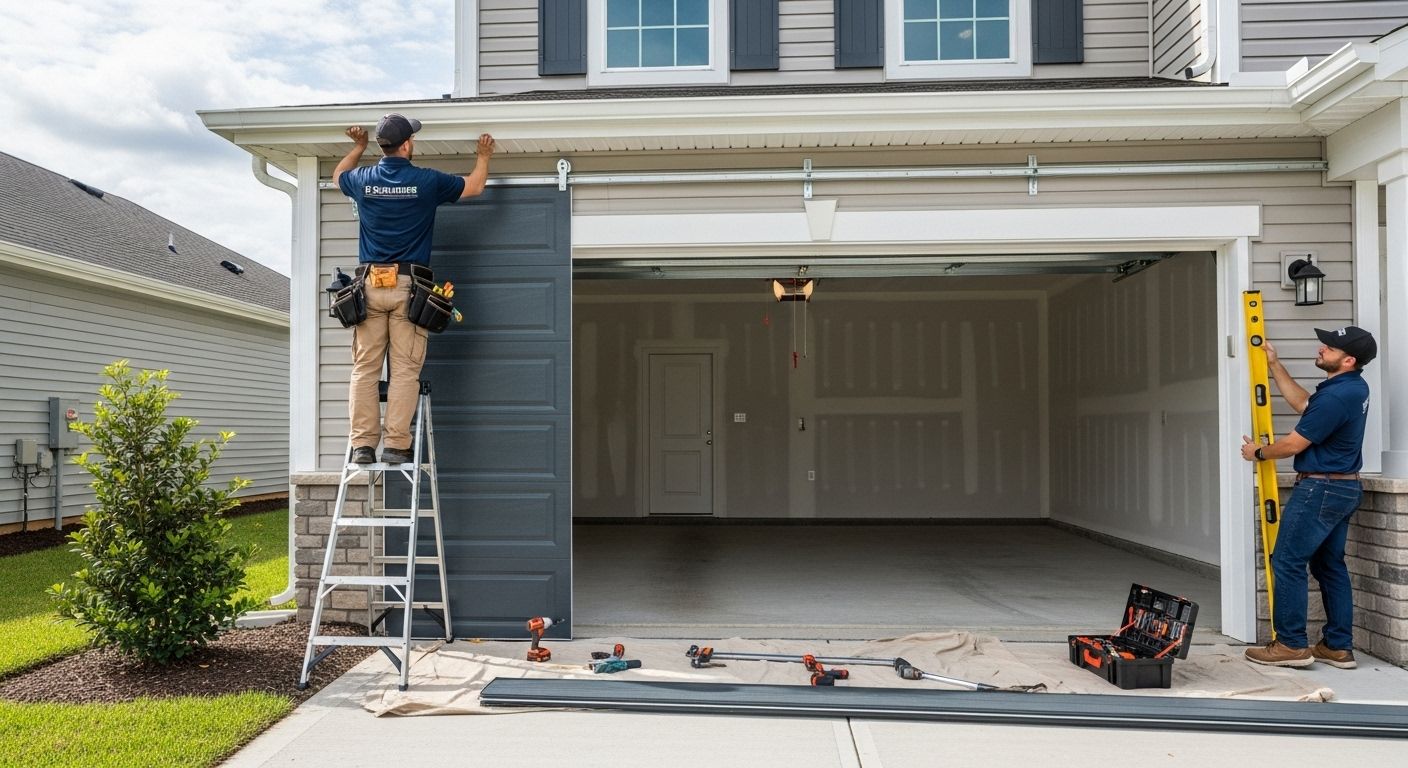
Cybersecurity Risks of Smart Garage Doors
Because smart garage openers are IoT (Internet of Things) devices, they share the same risks as other connected gadgets. A few real-world incidents show these vulnerabilities:
In 2023, researchers discovered that Nexx brand Wi-Fi garage controllers had a universal password flaw. By intercepting its communications, a hacker could remotely open any Nexx-connected garage door worldwide. This was a serious design oversight, and the company has yet to fix it.
Security firm Rapid7 found multiple flaws in the Genie Aladdin Connect smart kit. One was especially bad: it stored user passwords in plain text on an Android phone. That means a thief who stole the phone could easily control the garage door.
These cases remind us: if default passwords aren’t changed or if the device firmware isn’t updated, hackers could exploit it. Even without an elaborate hack, a weak Wi-Fi password at home might let an intruder access your smart devices. In short, any internet-connected opener can potentially be targeted – just as your phone or computer can. This is why experts always stress basic security hygiene for all smart home gear.
How Homeowners Can Protect Their Privacy
You can enjoy the convenience of a smart garage door and keep privacy risks low by following best practices:
Use Strong, Unique Passwords. Don’t leave the default password on your smart opener or app. Create a complex code, and use a different password for your Wi-Fi network than you do for everyday sites. This blocks easy attempts by hackers.
Enable Two-Factor Authentication (2FA). If your garage door app or email account supports 2FA, turn it on. Even if someone gets your password, they’d need the second factor (like your phone) to log in.
Update Firmware and Apps Promptly. Manufacturers often release updates to fix security holes. When your opener or its app notifies you of an update, install it right away.
Secure Your Home Network. Put smart devices on a separate “guest” Wi-Fi network if possible, isolating them from your main computers and phones. Use a router with up-to-date encryption (WPA2 or WPA3).
Review Privacy Settings. Some apps let you turn off data sharing or clear logs. Disable any features you don’t need. Also, opt out of marketing if the option exists.
Choose Reputable Brands. Stick with well-known garage brands (like the ones C&M Garage Doors supplies) that have clear privacy policies and good customer support. Established companies are more likely to patch vulnerabilities quickly.
Monitor Unusual Activity. Many smart openers can alert you if the door opens at strange times. Treat these alerts seriously – if your phone beeps at 3 am and you’re home asleep, investigate who’s on the camera!
By taking these steps, you greatly reduce any chance of being “spied on.” Remember, even a traditional garage door has security risks (burglars don’t need Wi-Fi!). Smart technology adds convenience but also new risks – the key is to be informed and proactive.
In Summary
Smart garage door systems don’t covertly spy on your conversations or track you for no reason. They do record how and when your door operates to provide handy features like alerts and remote access. The real privacy issues are about data handling and cyber-safety, not secret surveillance. With strong passwords, updates, and awareness of your device’s settings, you can enjoy the benefits of a connected garage without undue worry. When you choose your smart garage opener from C&M Garage Doors, rest assured we prioritize both security and convenience in the solutions we install for you.