Imagine finding a patch of fuzzy gray or white dust on an old pipe or wall – that could be asbestlint, the loose fibers of asbestos dust. Asbestlint is essentially the flaky or lint-like remnants of asbestos insulation or tape used in older buildings. It’s dangerous because those tiny fibers can float into the air and be inhaled. In fact, the U.S. Agency for Toxic Substances and Disease Registry (ATSDR) warns that asbestos exposure “can lead to serious and sometimes fatal disease”. Breathing in asbestos fibers is linked to lung cancer, mesothelioma, and asbestosis. Symptoms often take decades to appear, so you might feel fine for years even if exposure is happening now. In short: if you spot asbestlint, don’t touch it, and keep reading to learn how to spot it safely and what to do next.
Understanding Asbestlint
Asbestlint is basically asbestos in a loose, fibrous form. One source explains “asbestlint, commonly known as asbestos tape, is a material that contains asbestos fibers” used for insulation and sealing. In the past, asbestos was prized for heat resistance, so these fibrous materials were woven into insulation blankets, gaskets, fireproof clothing, even household items like ironing board covers. When those materials age or are disturbed, they crumble into a fuzzy dust – that’s asbestlint. Unfortunately, this lint contains the same asbestos fibers that can injure your lungs. As a guide notes, when disturbed “the tiny fibers become airborne and can easily be inhaled” into the lungs.
The crucial point: asbestlint is hazardous. For decades asbestos was marketed as a “miracle material,” but now we know it causes serious illness. The fibers are microscopic, do not dissolve in water, resist heat, and cannot be broken down by the body. Once inhaled, they can scar lung tissue and eventually lead to deadly diseases. Even a small amount of airborne asbestos is dangerous – there is no safe level of exposure
Health Risks from Asbestos Fibers
Breathing asbestos fibers from asbestlint is extremely hazardous to health. According to U.S. safety experts, inhaling high levels of asbestos fibers “can lead to an increased risk of lung cancer, mesothelioma (a cancer of the lung or abdominal lining), and asbestosis”. In other words, the more fibers you breathe, the higher your cancer risk. These illnesses are often fatal and have long latency periods. The Consumer Product Safety Commission notes symptoms generally don’t appear until 20–30 years after the first exposure.
In practical terms, this means if tiny asbestos fibers from asbestlint sneak into your lungs today, you could remain symptom-free for decades – then suddenly face serious health issues later on. The bottom line: even if the fiber dust seems trivial, it can have major long-term effects. That’s why experts stress strict caution. For example, one safety guide bluntly advises: if asbestos material is in good condition, “the best thing to do … is to leave it alone. Disturbing it may create a health hazard”. Always keep that in mind: do not disturb asbestlint unless you have proper protection and training.
Common Sources of Asbestlint in the Home
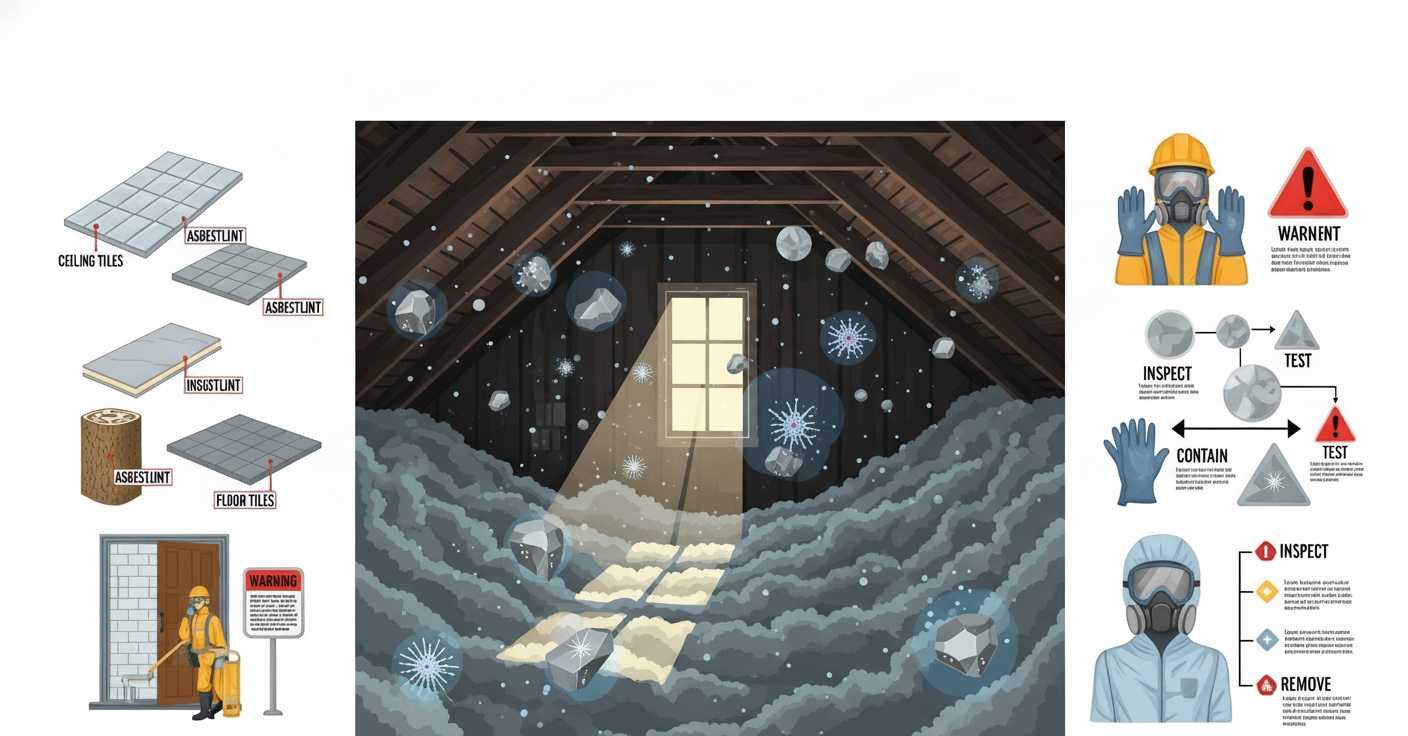
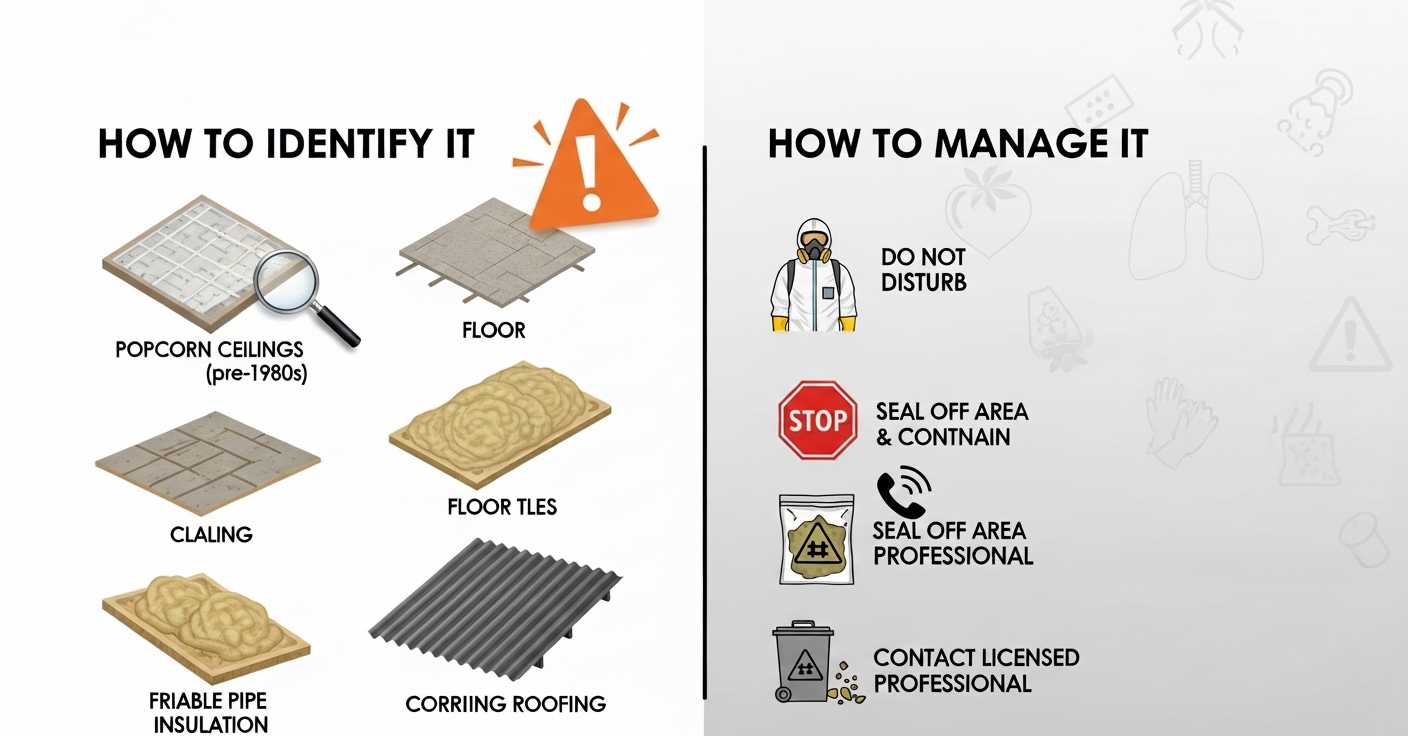
Asbestlint can lurk in many places in older homes or buildings (especially those built before the 1980s). Key examples include:
Pipe and Duct Insulation – Steam pipes, boilers, furnace ducts, and hot water heaters were often wrapped in asbestos blankets or tape. As that insulation ages, it can shred into fluffy lint.
Flooring – Many vinyl or asphalt tile floors (and the backing of sheet vinyl flooring) installed mid-20th century contain asbestos. Sanding, scraping or even just peeling up old tile can release fibers.
Ceiling Tiles and Plaster – Acoustic ceiling tiles or sprayed-on fireproofing and textured ceiling plaster used before regulations were changed often have asbestos. Damaged tiles or plaster can shed asbestlint.
Roofing and Siding – Cement shingles, roofing felts, and siding from older homes sometimes contain asbestos fibers. Cuts or wear to these materials can release dusty fragments.
Household Items – Surprisingly, some old household products had asbestos. This includes stove-top pads, ironing board covers, fireproof gloves, and certain hairdryers. Even door gaskets in furnaces or wood stoves were asbestos-based. If these items are deteriorating, they could produce asbestlint.
In short, if your home dates to the 1970s or earlier, assume any old insulation, ceiling tiles, floor tiles, or fireproof materials might have asbestos. Look out for grayish or white fuzzy dust near these areas. One do-it-yourself safety article notes that suspect asbestos lint often looks like “grayish or white fibers that look like dust but are distinctly different from regular household debris.” If you see something like that on a pipe wrap or behind a vent, it could well be asbestlint.
Identifying Asbestlint
Spotting asbestlint is tricky, because it looks like plain dust or fluff. By eye, the safest approach is to look for context clues: it will usually be in or around known asbestos materials (old pipe insulation, ceiling panels, etc.). You might see seams of brittle pipe wrap, edges of broken ceiling tiles, or crumbling floor tile where fibers poke out. If you brush or blow on the material and grayish-white particles float up, that’s a dangerous sign – but never do this because it releases fibers.
Since you can’t be sure just by looking, the recommended action is to assume any suspect material in an old building contains asbestos. Then don’t touch it. Instead, note the location and appearance (take photos if safe), and proceed as if it’s hazardous. Home safety experts advise: don’t disturb it with your hands or tools, don’t vacuum it with a household vacuum, and don’t sweep it with a broom. All of these actions can send fibers airborne.
One helpful hint: asbestos fibers are thin and fibrous (almost hair-like), while normal dust is usually powdery. If a piece of insulation or tape looks frayed into hundreds of tiny strands, treat it as asbestlint. In any case of doubt, stop and get professional advice.
Safety Precautions (Do Not Disturb It)
Image: Warning tape on a fence reading “DANGER ASBESTOS HAZARD”. Any material labeled or suspected as asbestos should be handled with extreme care. If you ever find material that might be asbestos lint, the #1 rule is do not disturb it. Authorities emphasize leaving intact material alone. As the U.S. Consumer Product Safety Commission states, “The best thing to do with asbestos material in good condition is to leave it alone. Disturbing it may create a health hazard.” In practice, this means don’t scrape, sand, cut, or try to vacuum the area yourself.
If dust or debris is already present, avoid spreading it. You can gently cover the spot with clean plastic sheeting to limit accidental contact. Wear a high-quality respirator (N95 or higher) and disposable coveralls if you must be near it, but ideally no one should touch asbestlint except trained professionals. On-site experts will use full protective gear, HEPA-filter vacuums, and misting to keep fibers from escaping.
Meanwhile, keep kids and pets out of the area. Document what you found (notes or photos) and contact a certified asbestos inspector. Never attempt to demolish or remove the material yourself. One safety guide bluntly warns homeowners to “never attempt removal yourself unless you are trained”. Trying to DIY asbestos removal usually makes the problem worse by releasing more fibers.
When to Call a Professional
The moment you suspect asbestlint, it’s time to call an expert. Certified asbestos professionals can safely test and manage the material. In an inspection, technicians will carefully take a small sample of the suspect material (using hand-held tools) and send it to a lab. They wear respirators and work in a contained area so no fibers escape. Laboratory analysis (often by polarized light microscopy) will tell you if asbestos is present.
If the test is positive, the same team can remove or encapsulate the material following strict protocols. Removal crews will wet down the asbestos to prevent dust, use special vacuums, and bag everything in labeled containers. They have the training and equipment to keep everyone safe. As one guide notes, professionals “have the right tools and expertise to handle hazardous materials safely”. In short: leave asbestos issues to the pros.
Engaging professionals also ensures compliance with all safety regulations. For example, under U.S. law building owners and contractors must use licensed abatement services for removal. Improper handling can lead to heavy fines or even lawsuits.
Regulations and Disposal
As a homeowner, know that asbestos is highly regulated. In the U.S., many asbestos uses were banned in the late 1970s and 1980s, but older homes still contain it. Federal rules (through EPA and OSHA) require that asbestos removal be done under controlled conditions, and that waste be disposed of at approved sites. Never throw asbestos debris in the regular garbage. According to guidance from industry sources, asbestos waste “must be handled in accordance with local regulations” – usually double-bagged, labeled, and transported to a special landfill or processing facility. As one safety article stresses, individuals or businesses “should never dispose of asbestlint in regular trash”.
If you have asbestos removed professionally, the contractors will handle all waste disposal. If you must manage a small job (like replacing a tiny patch of insulation), contact your local environmental or waste agency to learn the correct procedure. In general, do not attempt to burn, bury, or simply drop the waste off anywhere.
Conclusion
Asbestlint is a serious hidden hazard in many older homes. Its tiny asbestos fibers can cause deadly diseases if inhaled, so caution is critical. The best approach is to treat any suspect lint as hazardous until proven otherwise. Never disturb it yourself. Instead, visually inspect and document the situation, then call certified asbestos professionals to test and handle the material. Always use proper safety gear or stay clear of the area. By staying informed and acting carefully—following the advice of health agencies—you can protect your family from the risks of asbestlint. Remember: leave it alone, get help, and follow the rules.