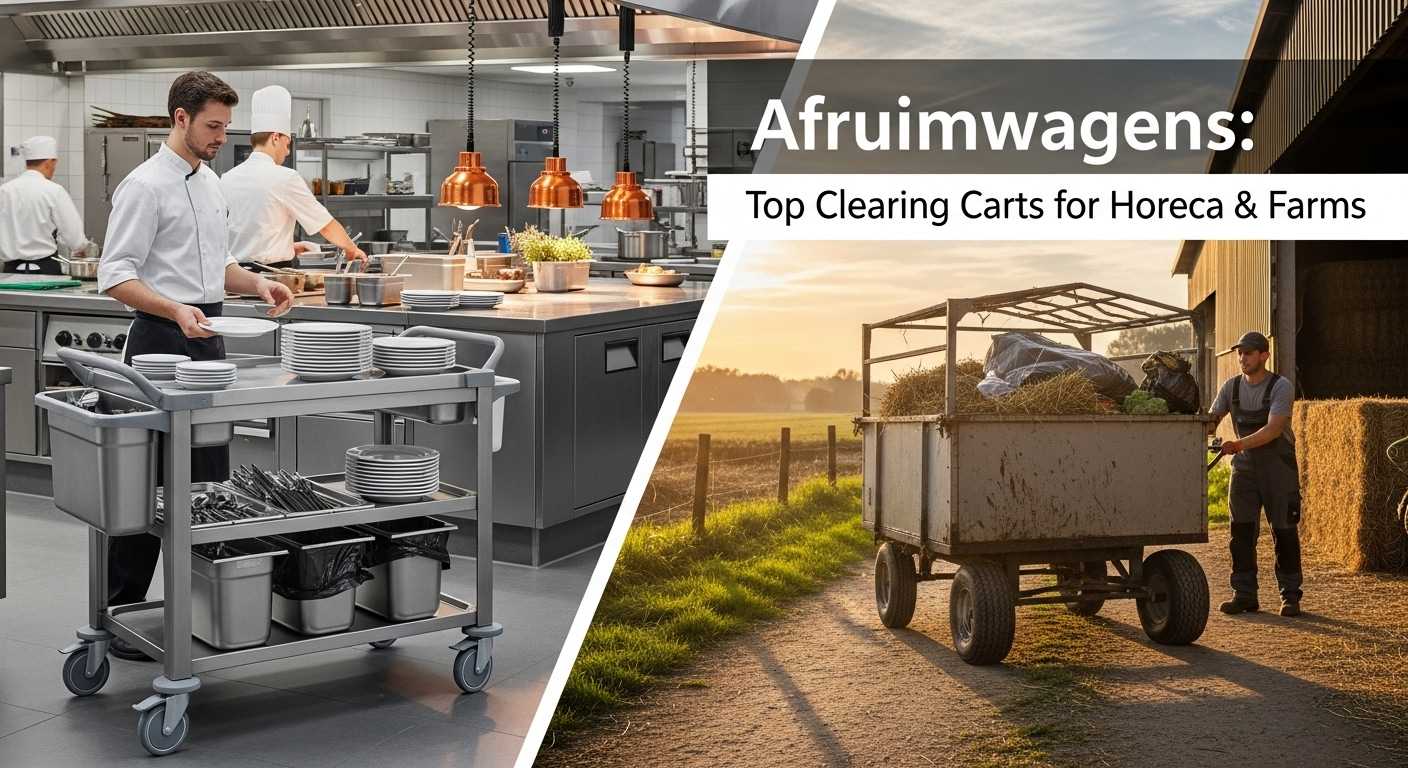
Afruimwagens (Dutch for “clearing wagons”) are heavy-duty, multi-shelf carts used to clear and transport items quickly in busy settings. In restaurants and cafes (the hospitality or horeca sector) they carry stacks of dirty plates, glasses, and trays from dining areas to the kitchen. On farms and in gardens they haul harvested vegetables, feed, tools or equipment across fields and greenhouses. By loading many items at once and rolling them on wheels, afruimwagens save time and effort. In short, choosing an afruimwagen means choosing more efficiency, safety and organization for both hospitality teams and farm managers.
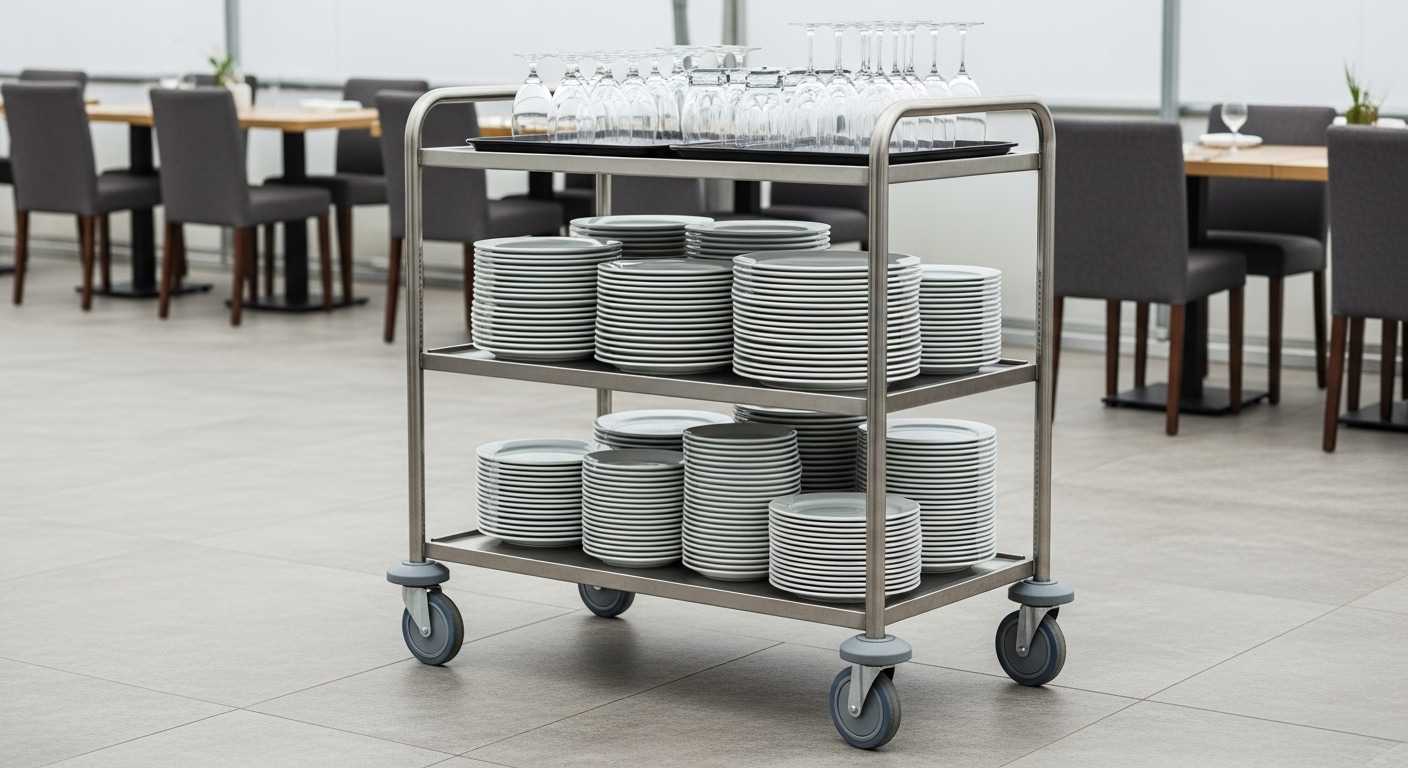
Modern afruimwagens often have stainless steel frames and two or three spacious shelves. In a restaurant or hotel, staff can stack used dishes and glassware on the cart and wheel them away in one trip. This makes table clearing much faster and quieter than carrying items by hand. It also frees servers to focus on guests instead of constantly running back and forth. Many carts even have brake-equipped swivel wheels and ergonomic handles to make pushing smooth and strain-free.
Uses in Horeca (Hospitality) and Catering
Afruimwagens are extremely helpful in hotels, restaurants, cafés and catering events. They act like a mobile staging area for dishes and supplies, keeping things orderly. Typical uses include:
Table Clearing: Load dirty plates, glasses and cutlery onto the cart instead of hand-carrying them. This lets a single staff member clear several tables at once.
Buffet and Banquets: Carry large volumes of dishware during buffets or events. One afruimwagen can hold dozens of plates or food trays at once, speeding up service and cleanup.
Supplies and Service: Move stacks of clean dishes, linens or food trays between kitchen and dining room. This reduces trips and keeps service flowing smoothly during busy hours.
Using afruimwagens in horeca also helps maintain a professional appearance. Carts with covered cabinets can hide dirty dishes from guests, and rubber wheels keep noise down. Overall, cafés and restaurants find that these carts significantly speed up clearing and improve customer satisfaction.
On farms, afruimwagens serve a similar “workhorse” role. Farmers and farm managers use them to gather and move produce or tools across rough terrain. For example, one cart can carry crates of harvested vegetables, sacks of feed, or gardening equipment in a single load. Many agricultural models have heavy-duty tires and strong frames so they roll easily over dirt, gravel or grass. This means one person can haul heavy items far faster than carrying them by hand. Tasks like collecting eggs, moving seedlings in a greenhouse, or transporting animal bedding become safer and less tiring. In greenhouses or barns, a wheeled afruimwagen lets workers skip multiple back-and-forth trips – boosting productivity on the farm.
Key Benefits of Afruimwagens
Across both horeca and agriculture, afruimwagens deliver several clear advantages:
Efficiency: They reduce the number of trips needed. Staff can clear more tables or gather more supplies in less time.
Labor and Ergonomics: By carrying heavy stacks on wheels, these carts cut down on manual lifting. This lowers fatigue and helps prevent back strain or injuries among workers.
Hygiene: Especially carts made of stainless steel (RVS) are easy to clean and don’t harbor germs. Using a cart keeps dirty dishes enclosed, reducing contamination risks.
Safety: Stable carts with locking wheels prevent accidents that happen when staff carry tall stacks by hand.
Organization: Multiple shelves or compartments let you separate items (e.g. glassware on top, plates in middle, trays below). This organized approach speeds up sorting and storage.
Combined, these benefits mean smoother, faster operations. A busy café can serve tables faster, and a farm team can finish harvest work earlier. As one industry report notes: “In fast-paced restaurants and event venues, afruimwagens play a crucial role in saving time, reducing labor strain, and keeping environments clean and organized”.
Safe Use and Maintenance
Using afruimwagens properly extends their life and keeps staff safe:
Load Carefully: Place heavier items on lower shelves and lighter items on top. Never exceed the cart’s weight capacity – overloading can tip the cart and cause injury.
Brake Safety: Always engage wheel locks before you load or unload to prevent the cart from rolling away. When pushing it, keep one hand on the handle and move at a steady pace.
Keep It Clean: In hospitality and farming, carts can get dirty quickly. After each use, remove debris and wipe down all surfaces with a suitable cleaner. For stainless steel carts, simply wipe with soapy water and dry thoroughly to avoid water spots or rust.
Regular Checks: Inspect wheels, axles and handles often. Tighten any loose nuts and grease moving parts if needed. Replace worn wheels to ensure smooth rolling. A well-maintained cart stays safer and lasts much longer.
Training staff in these simple practices will help everyone use the carts efficiently and safely. Over time, clean and well-kept afruimwagens will serve as a reliable workhorse in your daily operations.
Why Afruimwagens Are Worth It
In busy kitchens and on busy farms, speed and organization make a big difference. Afruimwagens become indispensable tools because they let one person do the work of several trips. As industry sources note, these carts “save time, reduce labor strain, and improve hygiene”. Whether you’re a café manager, hotel chef, or farm operator, this means you can serve customers faster or finish field tasks earlier.
Choosing afruimwagens is essentially choosing to streamline your workflow. Instead of juggling loads by hand or using makeshift carts, you get a purpose-built solution that protects your staff and your product. In summary, afruimwagens stand out by boosting efficiency and safety in both horeca and farming contexts. For any operation that needs to clear, carry, or transport goods regularly, they are a smart, reliable choice that pays off with smoother, faster service.